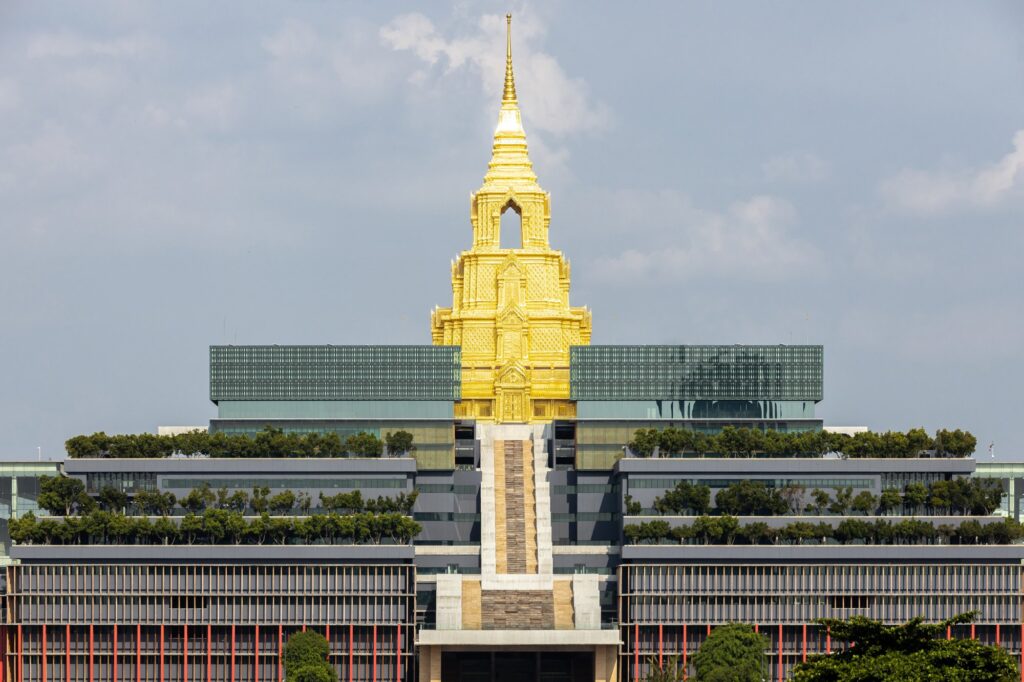
The House of Representatives on Wednesday unanimously approved the Clean Air Bill, with 429 votes in favour and none against, sending the legislation on through the remaining steps before it can become law.
A total of 431 MPs voted. Two abstained, and no member voted against the bill, the Bangkok Post reported after the 25 November sitting.
The bill is intended to set a comprehensive framework for tackling air pollution, including PM2.5, by strengthening pollution controls and holding polluters accountable. Its passage through the House does not mean the law is already in force.
During the debate, People’s Party MP for Chiang Mai Phattharaphong Leelaphat said the bill was nearing the finish line after several amendments during the Senate’s review. He pointed to changes in the penalty for pollution-related offences. The maximum fine for certain offences had first been set at 50 million baht in the House’s version, then reduced to 5 million baht by the Senate, and later revised to 25 million baht after further deliberations.
Mr Phattharaphong said he remained concerned that the revised fine could still be too low to deter major polluters, although a majority of the committee had kept the 25 million baht ceiling. Even so, he said he was confident the legislation could help address Thailand’s air pollution problems, including the recurring PM2.5 crisis, if it was properly implemented.
Palawat Tansiri, a member of the joint committee reviewing the bill, said a maximum fine of 25 million baht was appropriate, citing penalties in neighbouring countries. Indonesia, he said, imposes fines of around 33 million baht for open burning, while Singapore’s transboundary pollution law carries fines of about 52 million baht. The committee, he added, saw 25 million baht as a reasonable balance: enough to confront polluters with a substantial penalty without placing so heavy a burden that it might discourage foreign investment.
The report said the bill’s effectiveness would depend on enforcement and on measures against pollution sources. Until the remaining legal steps are completed, the vote should be read as parliamentary approval, not as a law that is already in effect.
The House vote on 25 November — 429 in favour, none against, with 431 MPs voting and two abstentions — approved the Clean Air Bill, but the bill is not yet law. As the original report set out, the legislation still has further steps to pass, including the Senate, and the maximum fine has already been revised during earlier debate. Readers should not treat the unanimous House vote as an immediate change in what factories or vehicles may legally emit.
The same week’s other environmental story on this site is the enforcement action at an e-waste factory in Prachin Buri, which was taken under existing powers and should not be described as having been carried out under this bill. A separate cabinet approval of a national centre to counter rogue drones is also not part of the Clean Air Bill. We will report a later Senate or gazette step if it is published. Until then, the correct status is the one in the headline: the House has passed the bill, and it is not yet law.
Sources:
- Bangkok Post (25 November 2026)